
Sustainable Safari Tourism: How Operators and Travelers Can Protect Africa’s Wildlife
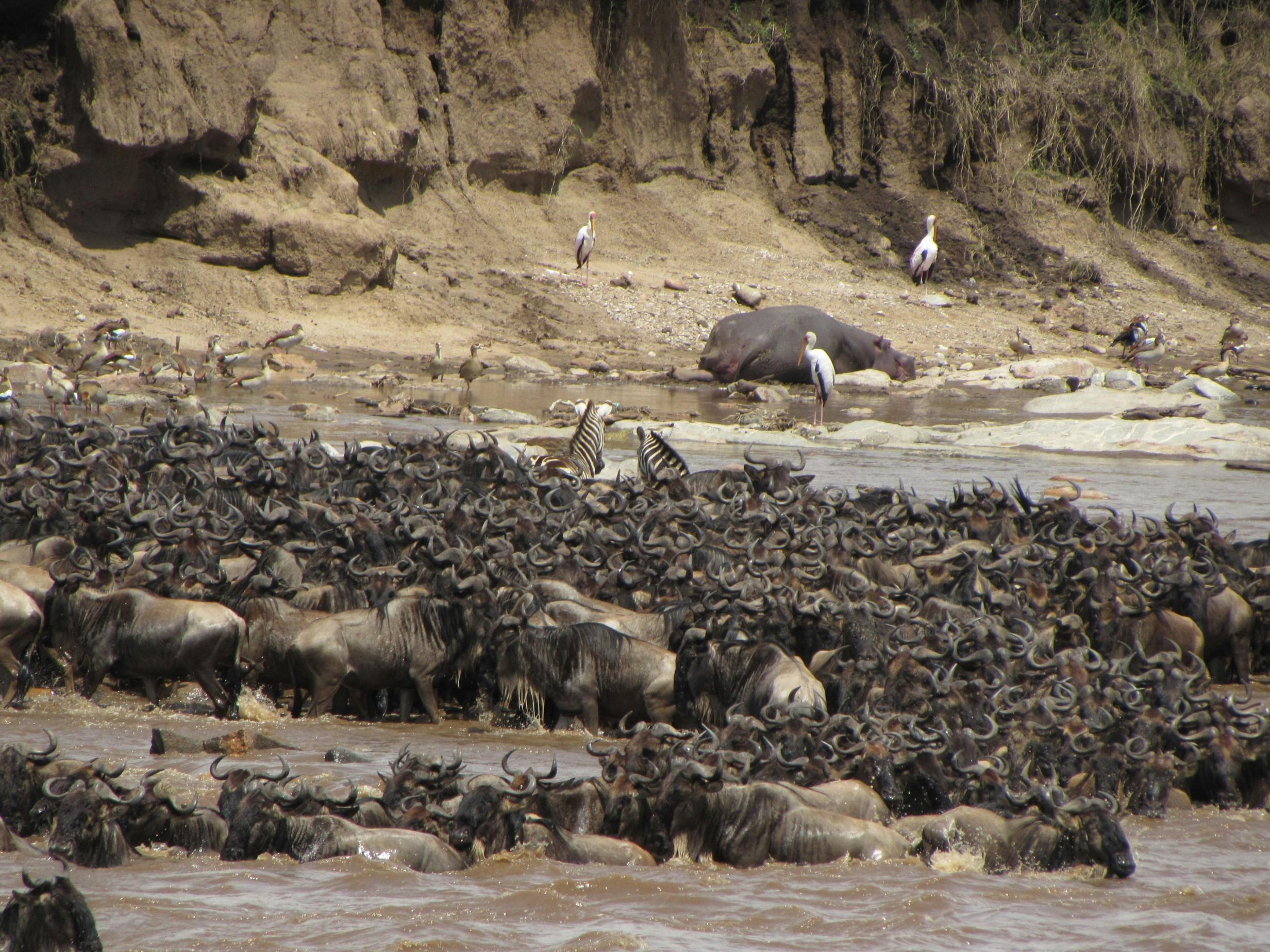
A Viral Serengeti Incident That Shocked the World
Recently, a video from Tanzania’s Serengeti National Park went viral, showing vehicles crowding a wildebeest river crossing while some tourists exited their cars, putting both themselves and the animals at risk. Several wildebeest panicked, and some were injured after falling from the riverbanks. This shocking incident highlighted the growing impact of overcrowding and poor tourist behavior on wildlife.
“Sustainable tourism is not optional. Guides, operators, and travelers all share the responsibility of protecting these extraordinary landscapes.”
It is a powerful reminder that safari experiences must prioritize both safety and ethical wildlife observation. Responsible tourism ensures that Africa’s natural wonders remain intact for future generations, while still offering visitors unforgettable encounters.
The Masai Mara Example: Conservation in Action
Kenya’s Masai Mara has become a global example of how thoughtful tourism management can benefit wildlife and local communities.
Higher Park Fees: Since mid-2024, non-resident daily park fees have doubled, with ticket validity shortened to reduce prolonged congestion. These funds directly support anti-poaching initiatives, habitat restoration, community projects, and wildlife monitoring.
Vehicle Limits: Only a small number of safari vehicles are allowed at high-traffic wildlife zones, particularly river crossings, to minimize stress on animals and create a more authentic experience for guests.
Community Engagement: Local communities benefit directly from tourism revenues, which helps fund schools, healthcare, and conservation programs, aligning local livelihoods with wildlife preservation.
“Fewer vehicles and regulated visits mean less stress on wildlife and a more immersive safari experience for visitors.”
The ecological benefits of these measures are clear: wildlife can behave naturally, habitats are preserved, and visitors enjoy a more meaningful safari experience.
The Role of Tour Operators and Travel Agents
Tour operators and travel agents play a pivotal role in promoting sustainable tourism:
Influence Choices with Purpose
Operators guide travelers toward eco-friendly accommodations, locally owned lodges, and sustainable transport options. Small-group visits, limiting group sizes, and selecting providers committed to environmental responsibility are key strategies.
Spread Visitor Impact More Evenly
By promoting off-season travel and crafting attractive packages, operators can reduce the pressure on popular destinations during peak months, sustaining local economies year-round and protecting fragile ecosystems.
Educate and Empower Travelers
Providing pre-trip briefings on cultural norms, ethical photography, and respectful behavior ensures that visitors act responsibly while engaging positively with local communities.
Support Conservation and Cultural Heritage
Tourism revenues should be directed to conservation programs, heritage preservation, and community development. Choosing lodges and operators that prioritize environmental stewardship and fair-trade practices amplifies the positive impact of tourism.
“By steering travelers toward ethical practices, tour operators transform tourism into a positive force for destinations.”
Accountability Matters
Safari operators and guides are custodians of wildlife safety. Travelers should:
Report unethical behavior by guides or operators who violate park rules.
Choose companies that strictly enforce conservation standards.
Support conservancies and lodges that limit visitor numbers, invest in wildlife protection, and benefit local communities.
These steps ensure tourism supports wildlife, local people, and the broader ecosystem rather than undermining them.
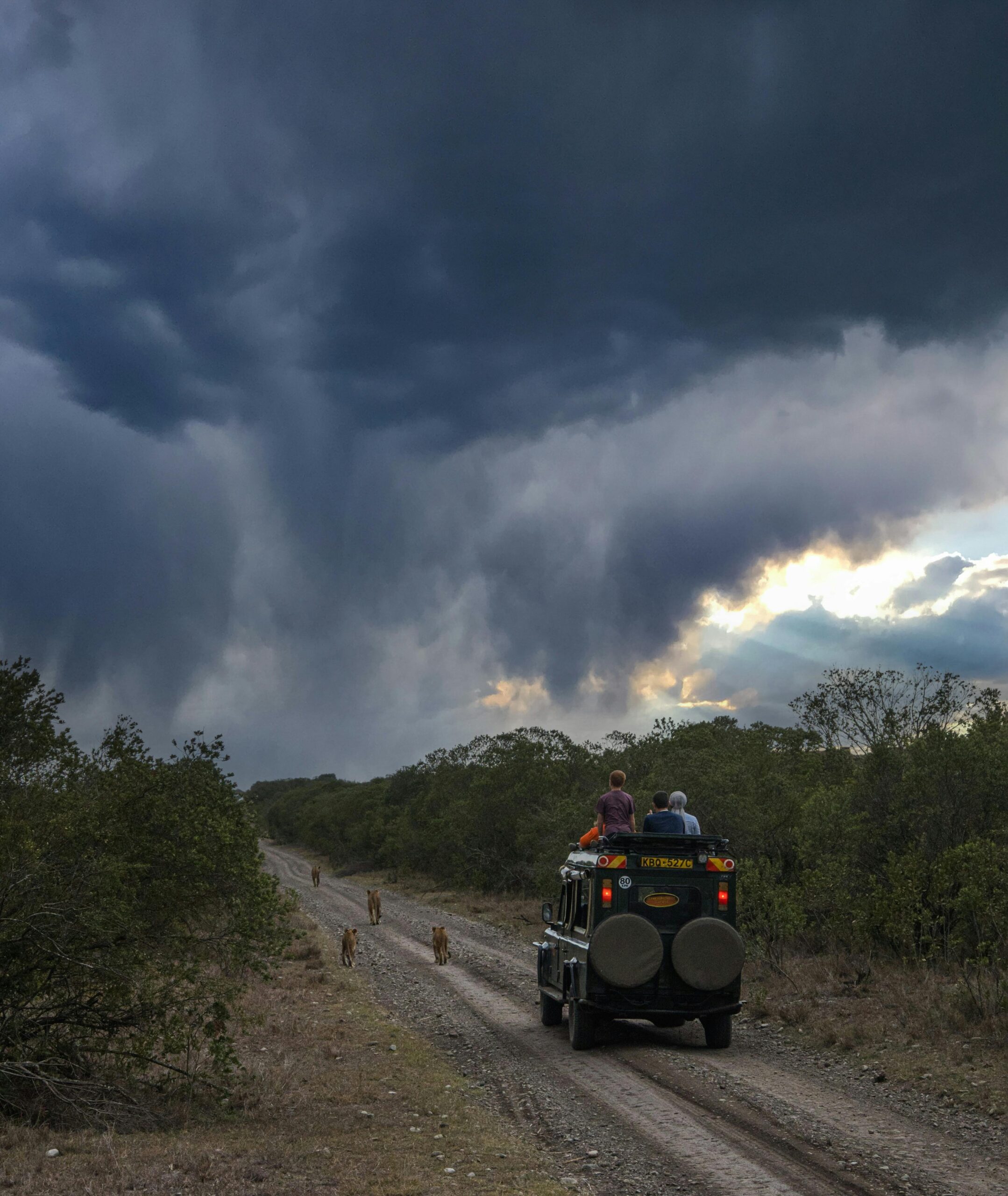
Traveling With Purpose
The Serengeti river crossing incident was a wake-up call for the global travel community. It reminds us that unforgettable safari experiences must coexist with responsible tourism practices.
By choosing ethical operators, following responsible safari etiquette, and embracing off-season travel, we can:
Preserve Africa’s iconic wildlife and habitats
Support local communities and economies
Ensure authentic, immersive safari experiences
“Responsible travel today ensures that Africa’s natural wonders endure for generations to come.”
Sustainable safari tourism is a shared responsibility. Together, travelers, operators, and guides can protect wildlife, empower communities, and create experiences that are memorable for all the right reasons.